



Car Rentals Across Spain
From Barcelona’s sun-drenched coast to Andalusia’s ancient Moorish cities — 17 regions, 30+ airports, free GPS with toll guidance, from €25/day.
The Open Road to Iberia’s Soul
Spain’s extraordinary geographic and cultural diversity rewards the driver above all other travellers. No high-speed train delivers you to the white villages of the Sierra de Grazalema clinging above gorges. No bus connects the remote hermitages of the Extremaduran plateau. No ferry reaches the Pyrenean mountain pass roads above Jaca, where every curve reveals a view of France. And no schedule accommodates the unhurried reality of following the ancient Camino de Santiago by road through Galicia’s misty coastal meadows, stopping when a particular light falls perfectly on a Romanesque church.
Spain is western Europe’s second-largest country by area — 506,000 km² of meseta plateau, mountain chain, coastal plain, river valley and island archipelago. The distance from Barcelona to Seville is greater than London to Berlin. Seventeen autonomous communities, each with distinct landscapes, cuisines, architectural traditions and in many cases separate languages (Catalan, Basque, Galician) make Spain as varied internally as the whole of Central Europe. A rental car does not merely add convenience to a Spanish holiday — for anyone wanting to understand what Spain actually is, it is the only meaningful way to travel.
Toll Route Guidance
GPS pre-loaded with all autopista/autovía alternatives. Real-time toll cost estimates for every major route in Spain and Portugal.
24 × 7 Soporte
English and Spanish helpline round the clock. Emergency roadside cover across all 17 regions including Canary Islands.
Transparent Pricing
CDW, GPS and 24-hour roadside itemised upfront. Zero surprise charges at collection or return.
30+ Airports
Collection desks at all major Spanish airports: Barcelona, Madrid, Malaga, Alicante, Palma, Bilbao, Seville, Valencia and Canary Islands.
EV Fleet Available
Tesla Model 3, Peugeot e-208, Renault Zoé available at Barcelona, Madrid and Malaga airports. Spain’s EV network is rapidly expanding.
Unlimited Mileage
Most Spanish rentals include unlimited kilometres. Drive the length of Spain — Barcelona to Algeciras — without counting a single km.
Autopista (Toll) vs Autovía (Free) — Which Road to Take?
| Factor | Autopista (AP-prefix) — Toll | Autovía (A-prefix) — Free |
|---|---|---|
| Cost | €0.08–0.15/km at peaje booths | ✓ Completely free — no toll payment |
| Speed | ✓ Generally faster, less congested | Same speed limit (120 km/h) but more junctions |
| Traffic | ✓ Lighter traffic, especially in summer | Heavier traffic, particularly near cities |
| Availability | AP-7 coast, AP-6 Madrid-Segovia, AP-1 Burgos | ✓ A-2, A-3, A-4, A-5, A-6 nationwide network |
| Service Areas | ✓ More frequent, higher quality facilities | Adequate, slightly less frequent |
| Madrid–Barcelona | AP-2: €25–30 in tolls, 5.5 hours | ✓ A-2: Free, 6–6.5 hours |
| Best Choice | Time-pressed, business travel, comfort touring | ✓ Budget travel, scenic routes, exploring Spain |
27 Rental Solutions for Every Spanish Journey
Compact SEAT for Gothic Quarters, convertibles for Costa del Sol, SUVs for Pyrenees — every vehicle type for all 17 regions
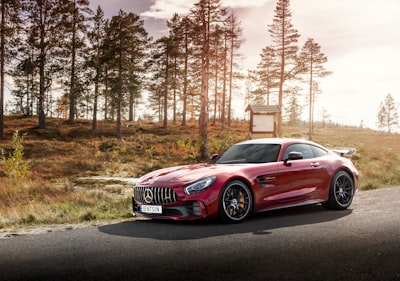
Economy Car Rental
SEAT Ibiza, Renault Clio, Peugeot 208 from €25/day. Ideal for navigating Spain’s medieval town centres, narrow Andalusian streets and island roads.

Chauffeur-Driven Service
Professional drivers across Madrid, Barcelona and Seville for executive meetings, VIP tours and corporate hospitality.

Airport Transfers
Meet-and-greet at Barcelona, Madrid, Malaga, Alicante, Palma and all Spanish airports 24/7 with instant confirmation.

Luxury Car Rental
Mercedes E-Class, BMW 5 Series, Audi A6 for prestige business travel and premium Marbella resort experiences.
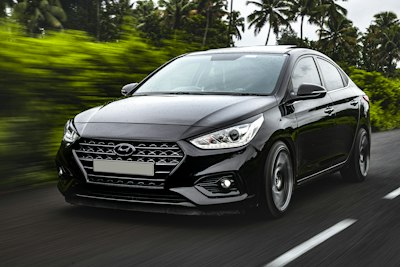
SUV & 4x4 Rental
Nissan Qashqai, Toyota RAV4 for Pyrenees ski roads, Sierra Nevada mountain passes and Andalusian rural tracks.

Corporate Car Rental
Monthly fleet contracts for businesses in Madrid’s AZCA district, Barcelona’s 22@ tech hub and Bilbao’s port quarter.

Sports Car Rental
Porsche 911, Aston Martin, Maserati GranTurismo for Marbella’s Golden Mile and Costa del Sol coastal drives.

Minibus & Van Rental
Mercedes Sprinter, Ford Transit 9–17 seater for group tours across Andalusia, Catalonia and the Balearic Islands.
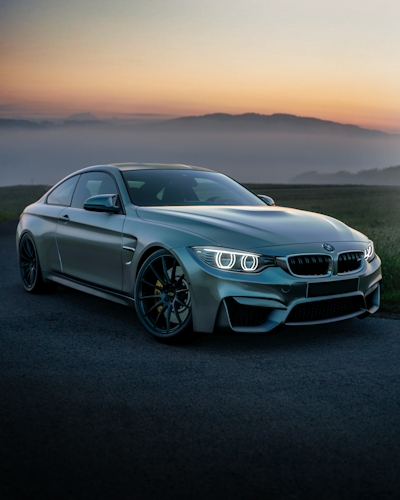
Wedding Car Rental
Vintage Rolls-Royce, Bentley and classic Mercedes for Spanish vineyard weddings, castle ceremonies and coastal celebrations.

Long-Term Rental
Monthly contracts with unlimited mileage for expats, digital nomads and international professionals based in Spain.
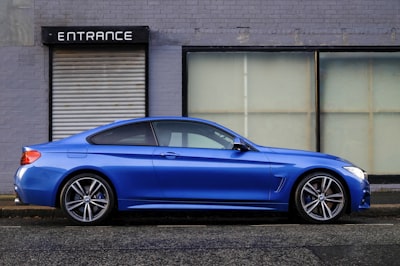
Convertible Rental
BMW 4 Series, Mercedes C-Class cabriolet for Costa del Sol sunshine, Balearic Islands and the Andalusian Ronda circuit.
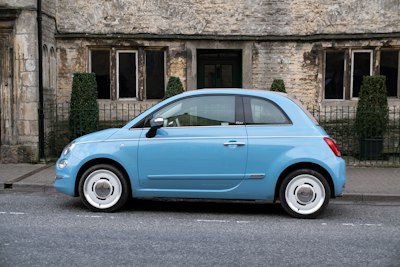
Electric & Hybrid Cars
Tesla Model 3, Peugeot e-208, Renault Zoé available in Barcelona, Madrid and Malaga. Spain’s EV network covers all major routes.
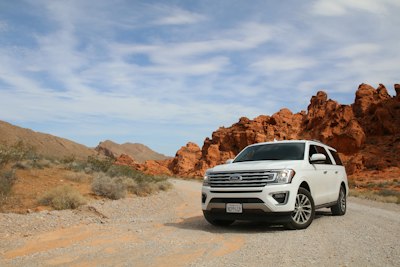
Road Trip Packages
Andalusia Heritage Circuit, Camino de Santiago, Ruta de los Castillos — curated itineraries with unlimited kilometres.

Budget Compact Rental
SEAT Mii, Renault Twingo from €22/day. Smallest footprint for Barcelona’s Gothic Quarter lanes and Seville’s Barrio Santa Cruz.
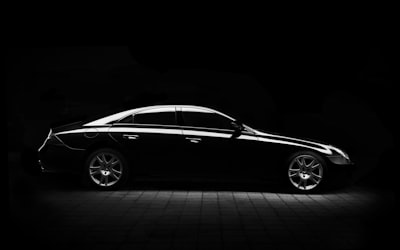
Hourly Car Rental
Rent by the hour in Madrid and Barcelona. Minimum 4-hour hire for day trips and city errands.
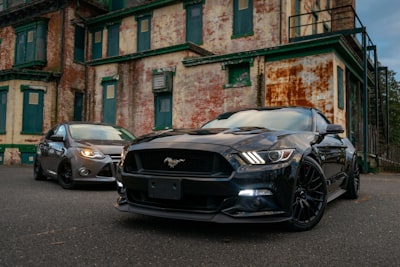
Estate Car Rental
SEAT Leon Estate, Peugeot 508 SW with generous boot space for beach equipment, sports gear and family touring.

Cargo Van Rental
Ford Ranger, Renault Trafic for business deliveries and trade fair logistics across Spanish cities.
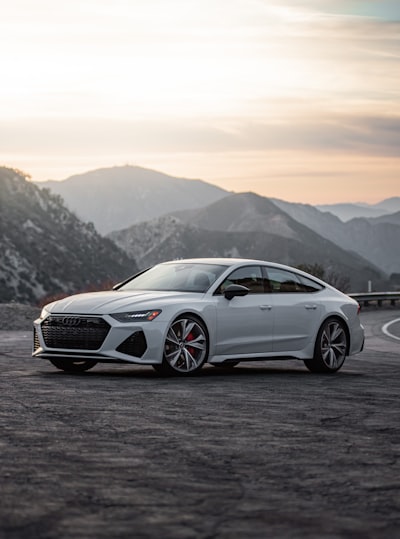
Premium Sedan Rental
Peugeot 508, Mazda 6, SEAT Toledo for comfortable autovía touring between Spain’s major cities.
One-Way Rental
Collect in Barcelona, return in Madrid or Seville. Available across all major Spanish cities and airports.
GPS & Toll Guidance
Spain and Portugal maps with real-time toll cost estimates, autovía alternatives and speed camera alerts.
Comprehensive Insurance
CDW included. Super CDW reduces excess to zero. Windscreen and tyre protection recommended for island and mountain roads.
Child Safety Seats
EU-approved baby seats and boosters compliant with Spanish child restraint law. Book in advance to guarantee availability.

Instant Online Booking
Confirm in 2 minutes with instant email confirmation in English and Spanish. Full booking reference and pickup instructions included.

Hotel Delivery
Free vehicle delivery to major Barcelona, Madrid, Marbella and Palma hotels. Contactless handover available.

24/7 Roadside Assistance
Nationwide breakdown cover including Canary and Balearic Islands. Free towing on all autovías and autopistas.
Free Cancellation
Cancel or modify up to 48 hours before collection at no charge. Online amendments simple and instant.

Unlimited Mileage Plans
Drive from the Pyrenees to the Strait of Gibraltar without counting a kilometre. Unlimited km on most Spain rentals.
Autopistas, Free Roads & Portugal Access
Spain’s autovías (A-prefix) form one of Europe’s finest free motorway networks — A-2 to Barcelona, A-4 to Andalusia, A-3 to Valencia, A-5 to Extremadura. No toll booths, no charges. Our GPS shows the free autovía for every toll autopista alternative.
Spain’s toll autopistas (AP-prefix) charge €0.08–0.15/km. Pay by cash or credit card at peaje booths — no pre-registration needed. The parallel A-2 free autovía adds 30–45 minutes but saves every cent. Our GPS shows toll costs in real time for every route.
Portugal Included
Most major operators (Europcar, Hertz, Avis, Sixt) permit travel to Portugal for €10–20/day supplement. The full Iberian Peninsula becomes your road trip canvas: Lisbon, Porto, the Alentejo and the Algarve are all within a day’s drive of Madrid or Seville. Confirm Portugal permission at booking.
Car Rentals Across All 17 Spanish Regions
From Catalonia’s Mediterranean coast to the Canary Islands’ volcanoes — comprehensive car hire across every Spanish autonomous community
| Autonomous Region | Capital | Key Rental Information & Highlights |
|---|---|---|
| Catalonia | Barcelona | Spain’s most visited region: Sagrada Família, Park Güell, Gothic Quarter, Costa Brava beaches. Barcelona El Prat Airport is Spain’s busiest rental hub. The AP-7 toll motorway runs north along the coast; the free N-II national road follows inland. A car is essential for Costa Brava’s hidden coves (Palafrugell, Calella de Palafrugell, 130 km north) and the Pyrenean approach roads via Vic and Ripoll. Montserrat monastery (50 km northwest) is the most popular Barcelona day trip by car. |
| Andalusia | Seville | Spain’s largest region and its most culturally layered. Malaga Costa del Sol Airport and Seville Airport both serve the region. Essential driving: the A-92 across the Andalusian heartland connecting Seville, Córdoba and Granada, the A-317 mountain road through the Sierra de Cazorla national park (Spain’s largest), the A-374 Ronda–Arcos route through the pueblos blancos, and the A-382 Jerez to Cádiz through sherry country. Summer heat (40°C+) demands air conditioning — standard on all modern fleet vehicles. |
| Community of Madrid | Madrid | Spain’s capital region with the world-class Prado Museum, Royal Palace and Retiro Park. Madrid-Barajas Airport is Europe’s sixth-busiest and Spain’s primary rental hub. The M-30 ring road and radial autovías (A-1 north, A-2 east, A-3 south-east, A-4 south, A-5 south-west, A-6 north-west) connect Madrid to all corners of Spain. Day trip targets: Toledo (70 km, 1 hour), Segovia’s Roman aqueduct (90 km), Ávila’s medieval walls (115 km), Salamanca (210 km, 2 hours). |
| Valencian Community | Valencia | Mediterranean coast combining Valencia city’s futuristic City of Arts and Sciences with Costa Blanca’s year-round beach resorts. Valencia Airport serves the northern section; Alicante Airport serves Costa Blanca. The free A-7 autovía runs the coast. Inland, the CV-35 road north through the Maestrazgo limestone plateau delivers empty roads and medieval villages. Benidorm (140 km south), Denia’s ferry to Ibiza (100 km north) and Cuenca’s hanging houses (200 km inland) form the key driving triangle. |
| Balearic Islands | Palma de Mallorca | Mediterranean island archipelago: Mallorca, Menorca, Ibiza, Formentera. Palma de Mallorca Airport has the largest fleet; each island has separate rental companies (no inter-island ferry with a rental car). Mallorca’s Serra de Tramuntana UNESCO mountain road (the MA-10 north coast road from Sóller to Pollensa) is the island’s most dramatic drive. Menorca is easily circumnavigated in a day (50 km across). Ibiza’s north (Portinatx, Sant Joan) contrasts completely with the south’s nightlife. Peak season (June–September) premium applies — book months ahead. |
| Basque Country | Vitoria-Gasteiz | Spain’s gastronomic heartland and most affluent region. Bilbao Airport is the hub. The Basque coastline (A-8 motorway west from Bilbao) features dramatic sea cliffs, surf beaches and ancient fishing ports (Lekeitio, Getaria, Mutriku). San Sebastián (100 km east) has the world’s highest density of Michelin-starred restaurants per capita — a designated driver is essential for pintxos and wine tours. La Rioja wine country starts 60 km south at Haro on the LO-20 road through the Rio Oja valley. |
| Galicia | Santiago de Compostela | Spain’s northwestern corner — Celtic, green, rainy and deeply ancient. Santiago de Compostela Airport is the hub. The Rías Baixas coastal road (the PO-550 south of Vigo) is Spain’s most beautiful coastal drive: ria inlets, stone granaries (horreos), fishing harbours and vineyards producing Albaríño wine. The Rías Altas north of A Coruña features dramatic sea cliffs and the Costa da Morte (“Coast of Death”) lighthouse road. The N-550 follows the Camino de Santiago south from A Coruña. |
| Castile and León | Valladolid | Spain’s largest autonomous community by area — the historic heartland of the old Castilian crown. Flat meseta terrain with excellent roads and minimal traffic outside cities. The CL-601 from Valladolid to Zamora crosses empty Douro river wine country. Salamanca’s university and Plaza Mayor (UNESCO) are 210 km from Madrid on the A-62. Burgos Cathedral (UNESCO) and the Camino de Santiago pilgrim route lie 240 km north of Madrid. The Sierra de Gredos mountains (SUV recommended) divide Castile from Extremadura. |
| Canary Islands | Santa Cruz / Las Palmas | Atlantic volcanic archipelago 1,500 km south of mainland Spain. Tenerife (South and North airports), Gran Canaria, Lanzarote and Fuerteventura all have airport rental desks. Each island requires a separate rental — no inter-island ferry with rental cars. Tenerife’s TF-21 mountain road to Mount Teide’s volcanic caldera (Spain’s highest point at 3,715m) is the most dramatic drive in Spain. Gran Canaria’s GC-60 south-to-north road crosses the Roque Nublo lunar landscape. Year-round warm climate (average 24°C) makes the Canaries Spain’s only true year-round driving destination. |
| Aragon | Zaragoza | The Pyrenean gateway and Don Quixote country combined. Zaragoza Airport (and Pamplona for the northern approaches). The A-23 Pyrenees motorway north from Zaragoza to Huesca delivers dramatic mountain scenery in under an hour. The Ordesa y Monte Perdido National Park (130 km north of Zaragoza) is Spain’s most impressive mountain landscape — the Oto valley road is one of the Pyrenees’ finest drives. The historic Cistercian monasteries route (Monasterio de Piedra, 120 km south-west) rewards unhurried touring. |
| Castile-La Mancha | Toledo | Don Quixote’s legendary windmill country directly south of Madrid. Toledo’s UNESCO medieval city (70 km from Madrid on the A-42) is Spain’s most visited day trip. The CM-42 from Toledo south through the Montes de Toledo delivers the La Mancha plateau landscape — flat, golden and genuinely quixotic. Cuenca’s hanging houses (Casas Colgadas, 160 km east of Madrid on the A-40) and the Serrania de Cuenca pine forest are Castile’s most underrated destinations. Flat terrain means easy, relaxed driving throughout. |
| Murcia | Murcia | Southeastern Spain’s sunniest region. Murcia Corvera Airport (30 km from the city) has a growing rental fleet. The Mar Menor saltwater lagoon and La Manga peninsula are Spain’s warmest swimming waters. Cartagena’s extraordinary Roman harbour archaeology (40 km) dates from the 3rd century BC. The Sierra España mountain range interior (MU-553 road) is virtually untouched by tourism. Straightforward driving on well-maintained roads with light traffic. Budget-friendly rentals make Murcia one of Spain’s most cost-effective driving destinations. |
| Extremadura | Mérida | Spain’s most authentic and least-visited region — the homeland of the conquistadors, bordering Portugal. Mérida’s Roman theatre and amphitheatre (UNESCO, 1st century BC) are the finest Roman remains in Spain outside Tarragona. Cáceres’ perfectly preserved Renaissance-Moorish city (UNESCO) lies 70 km northwest. The CC-912 mountain road through the Jerte cherry blossom valley (late March) is Spain’s most spectacular seasonal spectacle. The EX-386 to Monsanto in Portugal passes the Tajo international natural park. Minimal traffic, excellent roads. |
| Asturias | Oviedo | Green Spain’s most dramatic principality — Cantabrian mountains meeting the Bay of Biscay coastline. Asturias Airport (10 km from Oviedo) has good rental availability. The AS-263 Picos de Europa mountain road from Cangas de Onís to Riaño (the highest point at Puerto de Pontón, 1,280m) is northern Spain’s finest mountain drive. Llanes (70 km east) and Luarca (90 km west) are Asturias’s most photogenic fishing ports. The cider country around Villaviciosa (30 km east) requires a designated driver. Cool, wet climate throughout the year. |
| Navarre | Pamplona | Northern Spain’s crossroads region — Pyrenean mountain passes, medieval pilgrimage routes and wine country compressed into a small area. Pamplona is most famously known for the Running of the Bulls festival (San Fermín, 6–14 July), when the entire city fills and driving requires extreme advance planning. The N-121 north from Pamplona through the Roncesvalles mountain pass (the traditional Camino de Santiago gateway from France) is one of Spain’s most historically significant roads. Navarre’s Garnacha wine villages (Olite, Cariñena, 60 km south) warrant afternoon exploration. |
| Cantabria | Santander | Northern coast between the Basque Country and Asturias. Santander Airport connects to the UK by ferry (Brittany Ferries Santander–Plymouth). The Picos de Europa National Park straddles the border with Asturias — the CA-185 road through the Liébana valley to Potes and the Fuente Dé cable car (1,823m) is the region’s signature drive. Altamira cave paintings (UNESCO, 30 km west of Santander) and Comillas’ Modernista architecture (50 km west) are Cantabria’s cultural highlights. The CA-131 coastal road offers alternative views to the A-8 motorway. |
| La Rioja | Logroño | Spain’s smallest and most wine-focused autonomous community. No commercial airport — use Bilbao (120 km) or Zaragoza (180 km). The LO-20 La Rioja Alta wine route from Haro through Briones to Logroño delivers 40 km of Tempranillo and Garnacha vineyards with bodega visits (advance booking essential at marquee estates: Marqués de Riscal, La Rioja Alta, CVNE). The Sierra de la Demanda mountains south of Logroño (LO-810 road through Ezcaray) provide stunning contrast to the Ebro valley flatlands. A designated driver is essential for serious wine touring. |
City Rental Guides for Spain’s Top Destinations
Local expertise on airports, parking, the best day trips and which vehicle suits each city

Barcelona
Catalonia · Mediterranean Capital · Gaudí City
Barcelona is Spain’s most tourist-visited city and its most complex to drive in. The old city (Barri Gòtic, El Born, La Barceloneta) has streets designed for horses and pedestrians; the Eixample grid is manageable but parking is expensive (€3–5/hour). Barcelona El Prat Airport (12 km southwest, T1 and T2) has the most comprehensive rental selection in Spain. Most visitors take the metro or taxi within the city and collect a rental specifically for day trips.
The real prize is using Barcelona as a base for Catalonia: the AP-7 north (or free N-II) reaches the Costa Brava’s hidden coves — Cala Sa Tuna, Cala Fornells, Tamariu — in under two hours. Montserrat monastery’s extraordinary serrated sandstone mountain (50 km northwest on the A-2 and C-55) demands a morning. Girona’s medieval Jewish quarter and the colour-coded houses along the Onyar river (100 km north) warrant an afternoon. The Penedès wine region (40 km south) is Cava country — sparkling wine produced by the traditional method, rivalling Champagne at a fraction of the price.

Madrid
Community of Madrid · Central Spain · Perfect Touring Base
Madrid’s central geographic position makes it Spain’s finest road trip base — every direction leads somewhere extraordinary within two hours. Madrid-Barajas Airport (T4 has the best rental selection, T1 is more convenient) is Spain’s largest rental hub with every major operator represented. The city itself has manageable driving on wide boulevards and clear signage, though underground parking (€2–4/hour) is expensive in the centre. The M-30 ring road bypasses the historic core entirely.
The six radial autovías from Madrid form Spain’s best touring network. Toledo (70 km south on the A-42, 50 minutes) is the most popular day trip: the Alcázar fortress, Gothic cathedral with El Greco’s finest works, and the medieval Jewish quarter reward a full day. Segovia (90 km north-west on the A-6, 1 hour) delivers the world’s finest intact Roman aqueduct and the fairy-tale Alcázar castle. Salamanca (210 km west on the A-62, 2 hours) has Spain’s most beautiful Plaza Mayor and Europe’s oldest continuously functioning university (founded 1218). The Sierra de Guadarrama ski resorts start 60 km north — rent an SUV in November for the season.

Seville
Andalusia · Flamenco Capital · Moorish Heritage
Seville is Andalusia’s baroque soul — the Real Alcázar palace (still a royal residence, UNESCO), the Gothic cathedral with Columbus’s tomb, the Girálda tower and the white lanes of Barrio Santa Cruz. Seville Airport (10 km northeast) has good rental availability. The Barrio Santa Cruz’s pedestrianised historic lanes make it completely unsuitable for driving — park at an edge-of-centre garage (€15–20/day) and explore entirely on foot. The city is genuinely walkable end-to-end in 30 minutes.
Seville is Andalusia’s perfect road trip base. The A-92 east reaches Córdoba’s Mezquita-Cathedral (140 km, 1.5 hours) — the most extraordinary building in Spain, where a 16th-century Renaissance cathedral was built inside a functioning 8th-century mosque. Granada’s Alhambra (250 km east via A-92, 2.5 hours — book tickets 60+ days ahead) is Spain’s most visited monument. The A-375 south via Ronda (130 km, 1.5 hours) is one of Andalusia’s finest drives: olive groves, cork oak forests and the dramatic gorge of the Tajo separating Ronda’s two halves across an 18th-century bridge.

Malaga & Costa del Sol
Andalusia · Spain’s Sunshine Coast · Picasso’s Birthplace
Malaga-Costa del Sol Airport is Spain’s fourth-busiest and consistently offers competitive rental rates, particularly from budget operators like Goldcar, Record Go and Centauro. The free A-7 coastal autovía connects every Costa del Sol resort without a toll. Malaga city itself rewards an afternoon: the Picasso Museum (his birthplace and most comprehensive collection, 233 works), the Alcazaba Moorish fortress, and the renewed waterfront promenade along the Paseo del Parque. Parking in the centre is metered (€1–2/hour ORA zones) but manageable.
Costa del Sol’s driving landscape is compact and varied. Marbella (60 km west) and its glamorous Golden Mile of luxury hotels and restaurants deserve an evening. Nerja (55 km east) has the most beautiful coves on the eastern Costa del Sol and caves with 20,000-year-old Palaeolithic paintings. Ronda (100 km northwest via the A-397 mountain road — a genuinely dramatic drive over the Sierra de las Nieves) is the day trip that most Costa del Sol visitors miss. Granada’s Alhambra is 130 km northeast on the A-45 — a comfortable 1.5-hour drive that opens the entire Andalusian cultural heartland.

Valencia
Valencian Community · Paella Birthplace · Costa Blanca Gateway
Valencia is Spain’s most self-confident second city — economically dynamic, architecturally daring and fiercely proud of its history. The City of Arts and Sciences (Santiago Calatrava’s masterwork — five avant-garde buildings along a former riverbed) is Spain’s most visited contemporary architectural complex. Valencia Airport (8 km west) has competitive rental rates. The city centre is compact and manageable by car, with the old Turia riverbed converted to a 9-km urban garden park where cyclists and families roll freely.
Valencia’s coastal position makes it Spain’s best base for combining city culture and beach access. The L’Albufera lagoon (16 km south) is where paella was invented — traditional restaurants around the lagoon serve it for lunch only, and a rental car is the only way to reach them. The Costa Blanca south of Alicante (170 km on the A-7) is Europe’s most popular beach destination for Northern Europeans. Denia (100 km north) has direct ferries to Ibiza — rent a car to Denia, park at the port, take the ferry and rent separately on the island. The A-3 motorway inland reaches Cuenca’s UNESCO hanging houses (200 km, 2 hours) through dramatic limestone gorge country.

Granada
Andalusia · Alhambra · Sierra Nevada
Granada holds Spain’s most visited monument and one of the world’s greatest architectural achievements: the Alhambra palace complex, built by Nasrid sultans between 1238 and 1358. Book Alhambra tickets 60–90 days ahead — only 7,700 visitors per day are permitted. Granada Airport (17 km west) is small with limited fleet; most visitors collecting from Malaga (130 km on the A-44, 1.5 hours) or Seville (250 km). Parking near the Alhambra is genuinely limited — use the Parking Alhambra at the base of the hill and walk up, or take the red shuttle bus from Cathedral square.
Granada’s position between the coast and the mountains makes it one of Spain’s most geographically contrasted destinations. The Sierra Nevada ski resort (35 km east on the A-395, Europe’s southernmost ski area, November–April) shares the same province as the Mediterranean tropical coast at Almuñécar (80 km south — Europe’s only tropical climate). The Alpujarras white villages (60 km south via the GR-421 mountain road) — Capileira, Bubión and Pampaneira stacked on the southern face of the Sierra Nevada — are Andalusia’s most photogenic rural landscape and a destination the coastal tourists invariably miss.

Bilbao
Basque Country · Guggenheim · Gastronomic Capital
Bilbao is the most dramatic urban transformation story in modern Spain — an industrial port city that reinvented itself through architecture, gastronomy and cultural ambition. Frank Gehry’s titanium-clad Guggenheim Museum (1997) triggered a template for post-industrial regeneration now studied worldwide. Bilbao Airport (12 km north on the A-8) has good rental availability. The old town (Casco Viejo) and Eixample are best explored on foot; the city’s metro covers both efficiently. Parking is metered at €1.50–2/hour in centre zones.
Bilbao’s greatest driving prize is the Basque coast and San Sebastián. The A-8 coastal motorway east (100 km, 1 hour) delivers San Sebastián — arguably Europe’s most beautiful city setting: a curved beach between two hills, Belle Époque promenades and the world’s highest concentration of Michelin-starred restaurants. A designated driver is mandatory for any serious pintxos and txakoli wine tour of the Parte Vieja. La Rioja wine country starts 60 km south at Haro on the LR-111 road through the Ebro valley — Marqués de Riscal’s Frank Gehry-designed wine hotel makes a perfect overnight. The Cantabrian coast west (Bermeo, Gernika, Lekeitio) warrants a full morning’s unhurried coastal exploration.

Mallorca & the Balearic Islands
Balearic Islands · Mediterranean Archipelago · Europe’s Favourite Island
Mallorca is the Mediterranean’s most popular island destination — and one where a rental car is definitively the correct way to travel. Palma de Mallorca Airport has Spain’s largest island rental fleet with economy rates from €35/day (seasonal premium applies June–September, when rates can reach €80–100+; book months ahead). The island is 100 km long and 75 km wide — easily explored over 3–5 days of driving. Palma’s Gothic cathedral (La Seu), the Almudaina palace and the vibrant old quarter of La Llotja are the city highlights.
Mallorca’s definitive driving experience is the MA-10 Serra de Tramuntana coastal road (UNESCO Cultural Landscape) — 100 km of hairpin bends through olive groves, ancient stone terraces and clifftop villages from Sóller to Pollensa. Allow a full day for the full route, stopping at Deià (Robert Graves’s village), the Monastery of Lluc and the spectacular lookout at Sa Calobra. The east coast (Porto Cristo, Cales de Mallorca, Cala d’Or) has Mallorca’s most photogenic turquoise coves. Menorca, Ibiza and Formentera each require a separate island rental — accessed by ferry or short flight from Palma.

San Sebastián
Basque Country · Gourmet Capital · La Concha Bay
San Sebastián (Donostia in Basque) has an extravagant claim to beauty — La Concha bay’s perfect crescent of sand, framed by two headlands and the island of Santa Clara, with the Belle Époque promenade behind, is genuinely one of Europe’s finest urban settings. The city also has the world’s highest concentration of Michelin-starred restaurants per capita and a pintxos bar culture (Parte Vieja old quarter) that makes every evening an education. San Sebastián Airport (20 km east at Hondarribia) is small; collect from Bilbao Airport (100 km west on the A-8, 1 hour) for better selection.
A rental car is indispensable for exploring the Basque Coast properly. Getaria (25 km west) — birthplace of the first man to circumnavigate the globe (Juan Sebastián Elcano) and home to the finest grilled fish in Spain — deserves a lunch reservation. Hondarribia (20 km east) — a perfectly preserved medieval fortress town on the French border — rewards a morning. The French Basque Country (Biarritz 50 km, Saint-Jean-de-Luz 30 km) is accessible without border formalities, opening the pintxos & wine tour to two countries simultaneously. La Rioja wine country (Haro, 90 km southwest via the A-15) makes an exceptional full-day excursion with a designated driver.
Car Rental Rates Across Spain
Average daily rates in Euros (€) at major Spanish airports — inclusive of CDW insurance, GPS and 24-hour roadside assistance. Fuel and tolls additional.
| City / Airport | Daily Rate (€) | Best Vehicle | Most Popular Route |
|---|---|---|---|
| Barcelona El Prat (BCN) | €30 – €70 | Compact / Sedan / Convertible | Costa Brava · Montserrat · Girona |
| Madrid Barajas (MAD) | €28 – €65 | Economy / Sedan / SUV | Toledo · Segovia · Salamanca · Sierra Nevada |
| Malaga Costa del Sol (AGP) | €25 – €60 | Economy / Convertible | Marbella · Nerja · Ronda · Granada |
| Palma de Mallorca (PMI) | €35 – €90 | Compact / Convertible / Luxury | Serra de Tramuntana · Deià · East Coves |
| Alicante (ALC) | €24 – €55 | Economy / Sedan | Costa Blanca · Valencia · Murcia |
| Seville (SVQ) | €25 – €60 | Compact / Sedan | Cordoba · Granada · Ronda · Jerez |
| Valencia (VLC) | €26 – €58 | Compact / Sedan | Costa Blanca · Cuenca · Denia Ferry |
| Bilbao (BIO) | €28 – €62 | Compact / Sedan | San Sebastian · La Rioja Wine · Basque Coast |
| Ibiza (IBZ) | €40 – €100 | Compact / Convertible | Island circuit · North beaches (June–Sept premium) |
| Tenerife South (TFS) | €22 – €50 | Economy / SUV | Teide Volcano · Masca Gorge · Anaga Peninsula |
Why Travellers Choose CarRental.net.in in Spain
Toll Route Guidance
GPS pre-loaded with all autopista/autovía alternatives and real-time toll cost estimates. Never pay an unexpected toll in Spain.
No Hidden Charges
CDW, GPS and 24-hour roadside assistance itemised upfront. Zero surprises at collection or in any subsequent invoice.
24 × 7 Soporte
English and Spanish helpline round the clock. Emergency roadside cover across all 17 regions including Canary and Balearic Islands.
150+ Spanish Locations
Coverage at all major airports and city centres, partnered with Europcar, Record Go, Hertz, Avis and Sixt for consistent service.
Sanitised Fleet
Professional deep-clean before every collection. High-contact surfaces disinfected to EU hygiene standards.
Flexible Booking
Confirm in 2 minutes. Free cancellation up to 48 hours before collection. Instant English & Spanish confirmation email.
Essential Driving Rules for Spain
Frequently Asked Questions About Renting in Spain
Autopistas (AP-prefix) are toll motorways charging approximately €0.08–0.15 per kilometre at peaje (toll booth) barriers. You pay at exit by cash or credit card — no pre-registration needed. Autovías (A-prefix) are dual-carriageway motorways with no tolls whatsoever. For virtually every major intercity route in Spain, a free autovía runs roughly parallel to the paid autopista: the A-2 free versus AP-2 toll for Barcelona, the A-4 free versus AP-4 toll for Seville, the A-7 free coast road versus AP-7 toll motorway for the Mediterranean coast. The autopista is typically 15–30 minutes faster and has lighter traffic in summer peak season — whether that time saving is worth €25–30 in tolls is a personal judgement. Our GPS shows toll costs for every route, allowing you to make an informed choice in real time.
EU and EEA driving licences are fully recognised in Spain and require no supplement. Non-EU visitors — including those from the USA, UK (post-Brexit), Canada, Australia and India — can legally drive in Spain on their home country licence for up to six months. However, an International Driving Permit (IDP) is strongly recommended and explicitly required by some rental companies as a condition of vehicle handover. If a rental company refuses to release a vehicle without an IDP, you have no recourse if you don’t have one. Obtain your IDP from your national automobile association before departing: AAA in the USA, the AA or RAC in the UK, NRMA or RACQ in Australia, CAA in Canada. The IDP typically costs €15–20 and is valid for one year.
Yes — with the major operators (Europcar, Hertz, Avis, Budget, Enterprise, Sixt) cross-border travel to Portugal is permitted for a supplement of €10–20 per day. You must declare Portugal travel at the time of booking, not afterwards. The rental company will provide a cross-border authorisation document that must travel with the vehicle. Drive from Madrid to Lisbon (640 km, A-6 west then A-7 in Portugal, approximately 6.5 hours) or Seville to Faro (220 km, A-49 and A-22, 2 hours). Some budget Spanish operators (Record Go, Goldcar, Centauro) do not permit Portugal travel at all — confirm explicitly before booking if Portugal is part of your itinerary.
For long-distance touring (Andalusia circuits, Barcelona–Madrid, coast-to-coast routes), diesel offers 20–30% better fuel economy. Diesel (gasóleo) costs €0.10–0.15 less per litre than petrol (gasolina) across most Spanish stations, and the rental cost premium of €3–5/day for a diesel vehicle is typically recovered in fuel savings after 400–500 km. For city breaks, short trips or Balearic/Canary Islands where distances are short, petrol is perfectly adequate and slightly cheaper to rent. Hybrids (Toyota Yaris Cross, Kia Niro) are an excellent middle option — available at most airports from €35–50/day with exceptional fuel economy requiring no compromise on range or charging infrastructure.
Spring (April–June) and early autumn (September–October) are definitively the best periods for mainland Spain — warm sunshine, uncrowded roads, lower rental rates (30–40% below July–August) and open everything. April brings Andalusia’s wildflower landscapes and Semana Santa (Holy Week, book months ahead around Easter). May delivers perfect temperatures for Extremadura, Castile and Galicia. September is harvest season in La Rioja and Penedès — the best possible reason to drive through wine country. Avoid July and August for Costa del Sol: extreme heat, maximum prices, busy coastal roads and peak rental demand. The Canary Islands buck this rule — year-round mild climate (22–26°C) makes them Spain’s only genuinely all-season destination, with slightly lower rates in summer when mainland Spain peaks.
Yes — one-way rentals between Spanish mainland cities are available with all major operators. One-way fees typically range from €50–150 depending on distance and direction. The Barcelona–Madrid route (630 km via A-2, 5.5–6 hours) is one of Spain’s most popular one-way drives, following the Ebro valley through Zaragoza with its extraordinary Basílica del Pilar. Other popular one-ways: Malaga to Seville (215 km, 2 hours via A-92), Madrid to Seville (540 km, 5 hours via A-4), Barcelona to San Sebastián (560 km, 4.5 hours via AP-7 and A-8). Island one-ways are not possible — Mallorca, Ibiza, Menorca and Canary Islands each require separate island rentals. Book one-ways at least 4–6 weeks ahead for best rates and vehicle availability.
Summer driving in Andalusia requires specific preparation for heat. Temperatures in July and August regularly reach 40–45°C in Seville, Córdoba and Granada — and can exceed 48°C in extreme years. Essential precautions: verify the air conditioning is fully functional before accepting the vehicle; carry minimum 2 litres of water per person for every journey; never leave children or animals in a parked car even briefly; drive in the early morning (7–10am) and late afternoon (6–9pm), resting during the midday heat. Mountain areas (Sierra Nevada, Ronda’s Serranía, Cazorla) are significantly cooler — 10–15°C lower than the coast. The coastal A-7 autovía in summer has heavy caravaning traffic with caravans and motorhomes (camper vans): plan overtaking carefully and maintain larger following distances than normal. Driving in Andalusia in spring (March–June) or autumn (September–November) eliminates these concerns entirely and is strongly recommended.
Standard Spanish rental includes third-party liability and Collision Damage Waiver (CDW) with an excess typically ranging from €600–1,200. Super CDW (also called Full Protection or Zero Excess) reduces this excess to zero and costs €12–25/day — strongly recommended if you are not experienced at documenting rental vehicle condition. Theft protection is usually included but verify exclusions for Balearic Islands and Canary Islands where some operators apply different terms. Windscreen and tyre damage are almost universally excluded from standard cover — essential add-ons for Mallorcan mountain roads, Andalusian rural tracks and Canary Island volcanic roads where punctures and chips are common. Always photograph and video the vehicle from every angle before driving away — Spanish rental companies, particularly budget operators at beach resort airports, have a known history of disputed damage claims.
Spain operates three types of speed enforcement: fixed radar cameras (marked by yellow warning signs 300m before the camera), mobile radar units (Guardia Civil vehicles parked on motorway hard shoulders or national road verges, often unmarked), and average-speed sections (tramos de velocidad media) on motorways where cameras 5–10 km apart calculate average speed over the entire section — the most effective and unbeatable system. Fixed cameras are shown on standard GPS and Google Maps — however, radar detectors are illegal in Spain and carry €500+ fines and vehicle seizure if found. Average-speed sections require maintaining legal speed throughout the section, not just at the camera point. Speed fine amounts: €100 (10–20 km/h over limit), €300 (21–30 km/h over), €400–600 (31–50 km/h over), licence suspension above 50 km/h over limit.
Contact Our Spain Team
English and Spanish-speaking team available 24 × 7 for bookings, toll queries, itinerary planning and any rental question